
Antarctic Photography Guide: What Cameras and Lenses Should I Bring to Antarctica?
Setting foot in Antarctica and witnessing firsthand the massive glaciers, floating icebergs, hordes of penguins, and whales—every scene is worth capturing and documenting. However, the filming environment in Antarctica is very different from that of ordinary travel: you have to shoot on the deck of a swaying cruise ship and inflatable boat, facing extremely low temperatures, seawater, and intense glare from the snow, and there are strict distance regulations for interacting with wildlife.
In challenging photography environments like Antarctica, what equipment should travelers have to capture a perfect shot in a fleeting moment? We've compiled a series of pre-shoot preparations for Antarctic photography, including how to set up your camera for the environment and important considerations. Whether you're a photography enthusiast seeking high-quality images or a traveler simply wanting to easily document your journey with your phone, you can prepare according to your needs.
Antarctic photography lens recommendations: How to choose between telephoto and wide-angle lenses
In Antarctica, travelers need to maintain a certain distance from wildlife, and often need to take photos on deck or inflatable boats, so the choice of focal length is very important.
Telephoto lens: Primarily used for shooting wildlife (100-400mm or 200-600mm recommended)
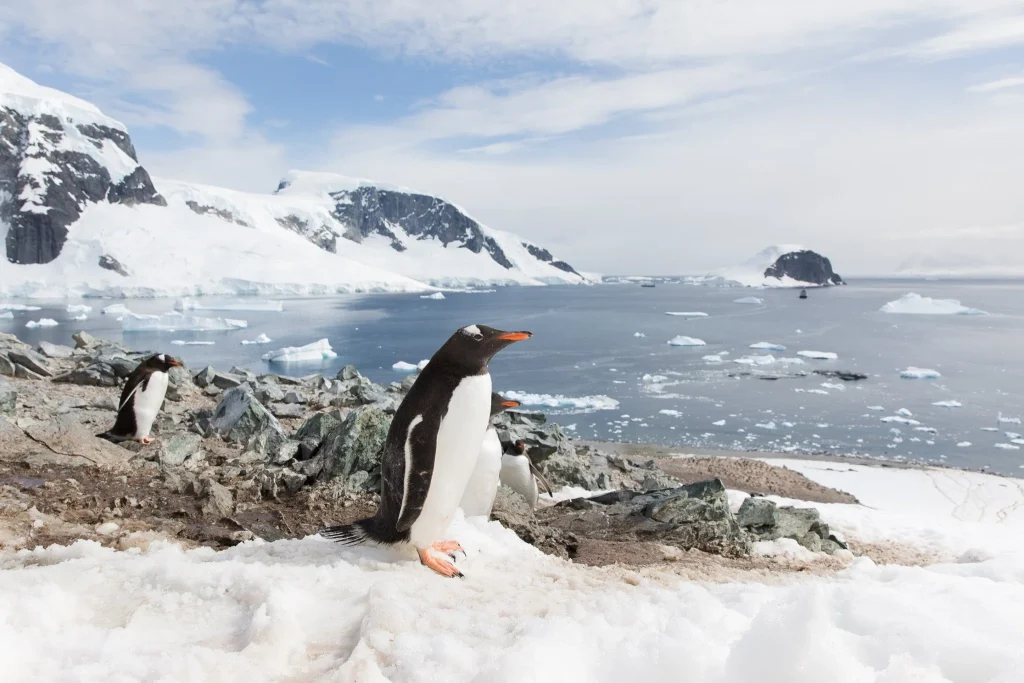
If you're a photography enthusiast, a telephoto lens is the most important piece of equipment for this trip. Whether it's getting close-ups of the expressions of Gentoo penguins, Adelie penguins, and chinstrap penguins, photographing seals resting on ice floes, or capturing humpback whales surfacing in the distance from the deck, you'll need sufficient focal length.
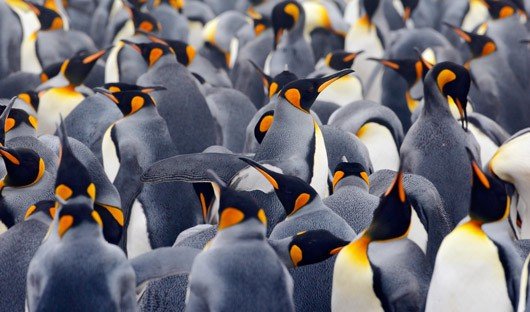
If you choose the option that includes South Georgia IslandTwo-island triporTriple-Island ItineraryYou can also photograph hundreds of thousands of king penguins, a sight that cannot be seen on the Antarctic Peninsula route.
Wide-angle or standard zoom lens: for capturing glaciers and snow-capped mountains (16-35mm or 24-70mm recommended).
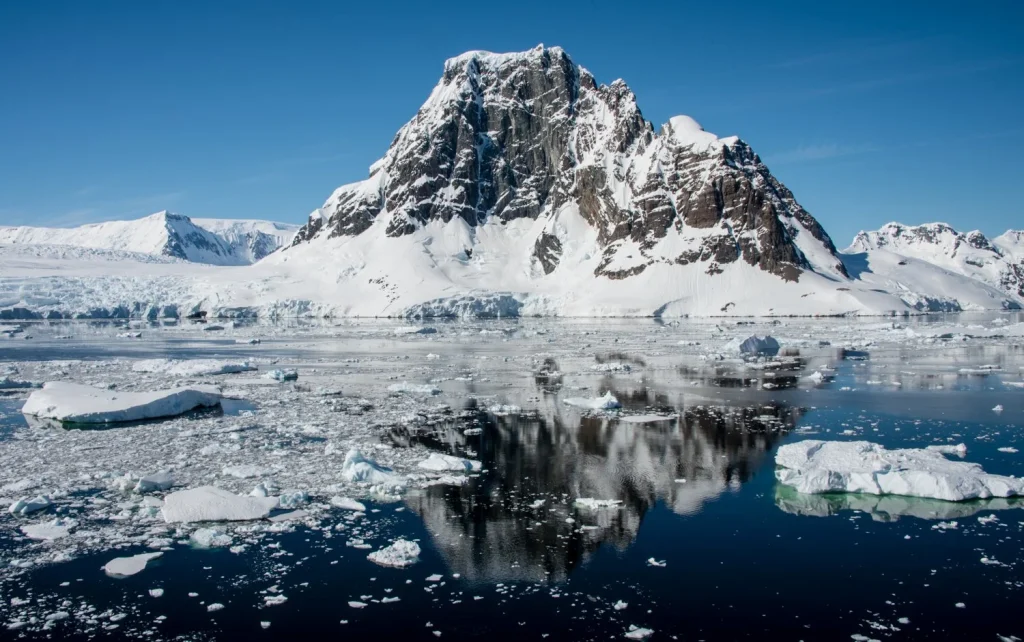
Antarctica is not only home to wildlife; glaciers, snow-capped mountains, and massive icebergs are also key subjects for photography, requiring a wide-angle lens to capture them in their entirety.
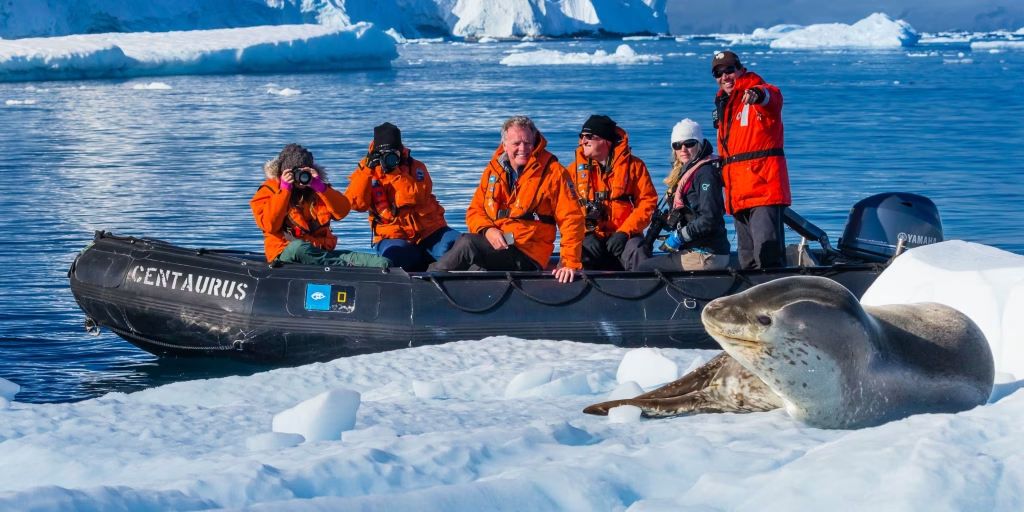
Shooting suggestion: Use a dual-camera setup.
When riding in a rubber dinghy, seawater often splashes up. Changing lenses outdoors not only makes it easy to miss shots, but also allows dust and moisture to easily enter the camera body. If your budget and physical strength permit, it is recommended to bring two camera bodies: one equipped with a telephoto lens and the other with a wide-angle or standard lens. This is the safest and most efficient way to shoot in the polar regions.
The 200-600mm lens is expensive and heavy. If you only need it for this trip, you might consider renting it from a camera rental company for a short period and familiarizing yourself with its operation before you leave.
Lightweight options: Great photos can be taken with smartphones and action cameras too.
Not every traveler wants to lug heavy photography equipment on their trip. Lightweight equipment can still produce excellent results in Antarctica.
Action cameras: 24/7 dynamic recording (such as GoPro, Insta360)
A waterproof and durable action camera is very useful when you're riding a rubber dinghy through broken ice, or when it's snowing heavily and it's inconvenient to take out your camera.
For example, you can record 4K video to capture dynamic footage of splashes and navigation; you can also mount it to your chest or a selfie stick to shoot a first-person perspective of your journey, or film a time-lapse video of your voyage through the Drake Passage from a ship. When shooting time-lapse video, remember to keep the camera securely fixed.
Smartphones: The Lightest Recording Tool
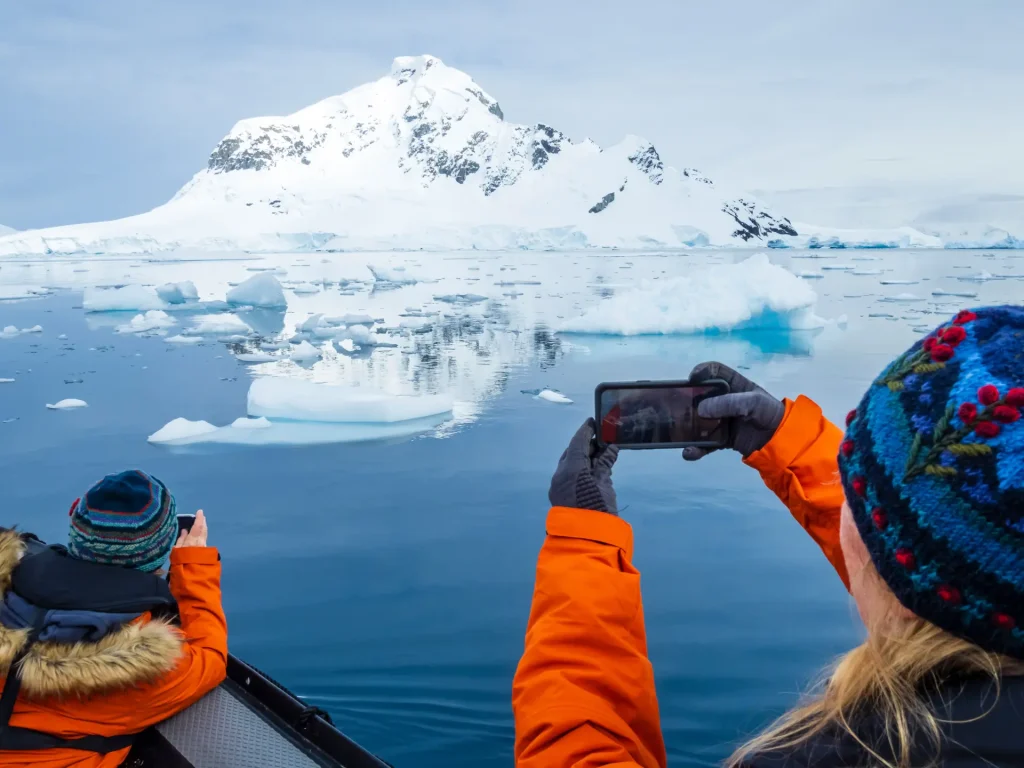
Even without a professional camera, there's no need to worry. Modern smartphones have excellent camera capabilities, and with a few tricks, you can take great photos of Antarctica with just a phone.
Biggest advantageLightweight and portable, allowing you to take photos anytime. You can keep your phone warm in the inner pocket close to your body, and take it out to capture beautiful scenery or penguins approaching within seconds.
Essential accessoriesA reliable phone lanyard (to prevent it from falling into the sea from the deck or inflatable boat) and a waterproof phone case. Make good use of your phone's built-in wide-angle and telephoto lenses to easily record your journey.
TipsWhen shooting in snow, mobile phones can easily make the snow appear gray. Before shooting, lightly tap the screen to slightly increase the exposure.
Antarctic filming setup quick reference
The snowy conditions in Antarctica can affect camera metering, and the rocking of the inflatable boat can also blur photos. The following settings can be used as a reference before departure:
| Shooting scenario | Recommended settings |
| snowfields and glaciers | exposure: Compensation of +0.7 to +2 EV to prevent snow from turning gray. aperture: Use f/8 to f/11 to ensure sharpness in both foreground and background; a polarizing filter can be added if necessary. |
| Photographing animals from a rubber boat | Shutter speed 1/1000 second or faster, Auto ISO, Continuous autofocus |
| Birds | Shutter speeds of 1/2000 second and above |
| General recommendations | Shoot in RAW format, pay attention to the histogram, and avoid overexposure of highlights. |
It's best to practice several times before departure to familiarize yourself with switching focus modes and exposure compensation. In Antarctica, spectacular scenes often happen in a fleeting moment.
Protective equipment: batteries, waterproofing, anti-fog, and related accessories
Low temperatures, seawater, and temperature differences are the three major enemies of electronic products, and also a major challenge for filming in Antarctica.
- Bring 2 to 3 spare batteries and a portable charger.Low temperatures can significantly accelerate the depletion of lithium batteries. You can keep a spare battery and your phone in a close-fitting inner pocket to keep them warm with your body heat, and then replace them when needed.
- To prevent lens fogging: Put the camera bag away before returning to the cabin.Stepping directly from the cold deck into the warm cabin will cause condensation to form immediately on the camera and lens surfaces, which can even seep into the camera body in severe cases. It is recommended to place the camera in a sealed bag or camera pouch and zip it up before leaving it outdoors. After returning to the cabin, wait 30 to 60 minutes for the camera to warm up slowly before removing it to replace the battery or memory card.
- Waterproof bags (dry bags) and rain coversWhen cruising in rubber boats, the splashing water from the waves can be very damaging to equipment. When getting on and off the rubber boats, the crew will usually ask passengers to keep their hands free to hold on, so it is recommended to use a waterproof backpack that can be carried on your back, and to put a rain cover on your camera when taking pictures.
- Polarizing filter (CPL) and lens cleaning clothAntarctic ice and snow reflect light intensely. A polarizing filter can reduce reflections from water and ice surfaces, making the sky bluer and the glaciers more detailed, ideal for landscape photography. However, a polarizing filter will reduce the amount of light entering the lens by about 1 to 2 stops, so it's recommended to remove it when shooting wildlife to maintain a high shutter speed. Using an ultra-wide-angle lens (around 16mm) with a polarizing filter can easily result in uneven sky tones. Also, please bring several microfiber lens cloths to wipe away any water droplets from your lens.
- Photography gloves: Double gloves are recommended.The inner layer is a thin glove with a touchscreen, and the outer layer is a waterproof and warm glove or mittens. When taking photos, remove the outer layer and use the inner thin glove to press the shutter button and operate the phone, so your fingers won't get directly cold. If you don't want to remove the gloves frequently, you can also choose a flip-top style outer glove; simply flip open the finger cots when taking photos.
- Sufficient memory cards and backup hard drivesThe scenery in Antarctica will keep you taking photos. It's recommended to back up your photos to a laptop or external hard drive each day after returning to your cabin.
- tripodDo not place it on the ground after landing. If needed, it is recommended to bring only a lightweight travel tripod for shooting time-lapse or landscapes on the ship.
What to shoot in different months and on different flight routes?
The Antarctic tourist season runs from late October to March of the following year. Each month offers unique photographic opportunities.
| month | Main filming subjects |
| Late October | The snow is thickest here, with the most ice floes and icebergs, offering the most pristine scenery; penguins are gradually returning to their breeding grounds. If your itinerary includes South Georgia Island, you can also witness male elephant seal battles and newborn seals during the breeding season. |
| November | The snowscape remains pristine white; penguins court, build nests, and begin laying eggs. |
| December to January | Penguins hatch, chicks are born; sunshine lasts for more than 18 hours a day, with the golden hours occurring late at night. |
| February to March | Whale activity peaks, resulting in richer sunsets and evening glows. |
Antarctic photography voyages and onboard photography activities
Many Antarctic cruises include a photographer on board. You can ask the photographer for any questions. However, if your primary goal in going to Antarctica is photography, some cruise lines offer photography-themed itineraries, and some offer optional photography sessions for a fee.
1. Photography-themed cruise
Some cruise lines offer special photography-themed cruises, inviting professional photographers to accompany the ship.
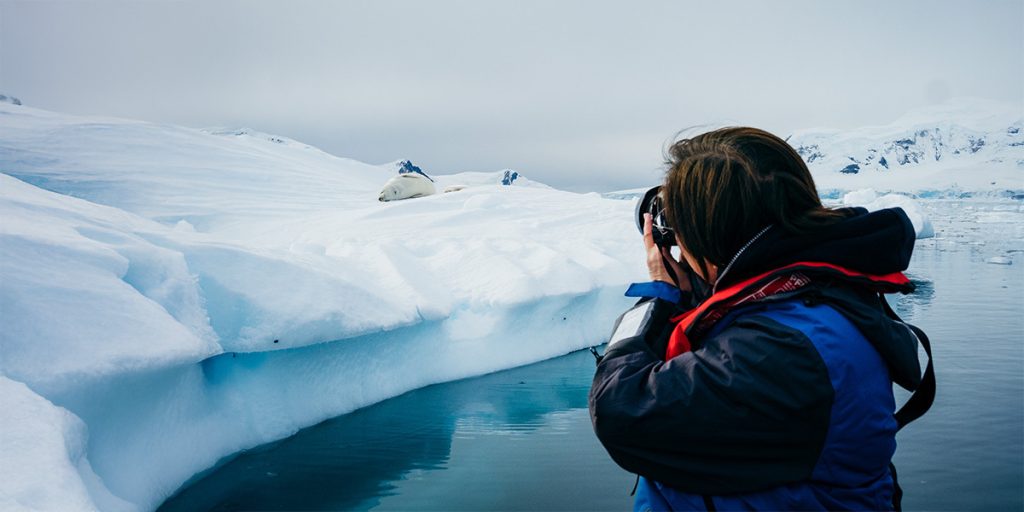
- Professional photographers will accompany the ship: They will conduct workshops on topics including composition, exposure, shooting techniques on inflatable boats, and post-processing. Photographers will also be on-site to provide guidance upon landing.
- The itinerary is designed to be more conducive to photography: weather and safety permitting, landing and cruise times will be arranged to coincide with light and wildlife activity.
- Fellow passengers shared similar interests: they were all photography enthusiasts and could exchange their works and experiences.
There are only a limited number of photography-themed cruises available, so it's recommended to book as early as possible if you're interested.
2. Photography activities included on standard cruises
Even on cruises not specifically themed around photography, some designated cruises offer photography workshops. Some are included in the cruise fare, while others require an additional fee, suitable for travelers who want to further improve their photography skills. Workshops typically include:
- Lectures onboardThis course explains camera settings, composition, exposure, and techniques for shooting on inflatable boats and decks.
- On-site guidanceDuring the landing and inflatable boat tours, photography instructors will be on-site to provide guidance and answer questions in real time.
- Group formatWith fewer participants, instructors can better cater to the needs of each individual. Some workshops even provide dedicated inflatable boats for participants to have priority for filming.
- Artwork critique and post-processingThe instructors will comment on the participants' photos and share post-processing techniques.
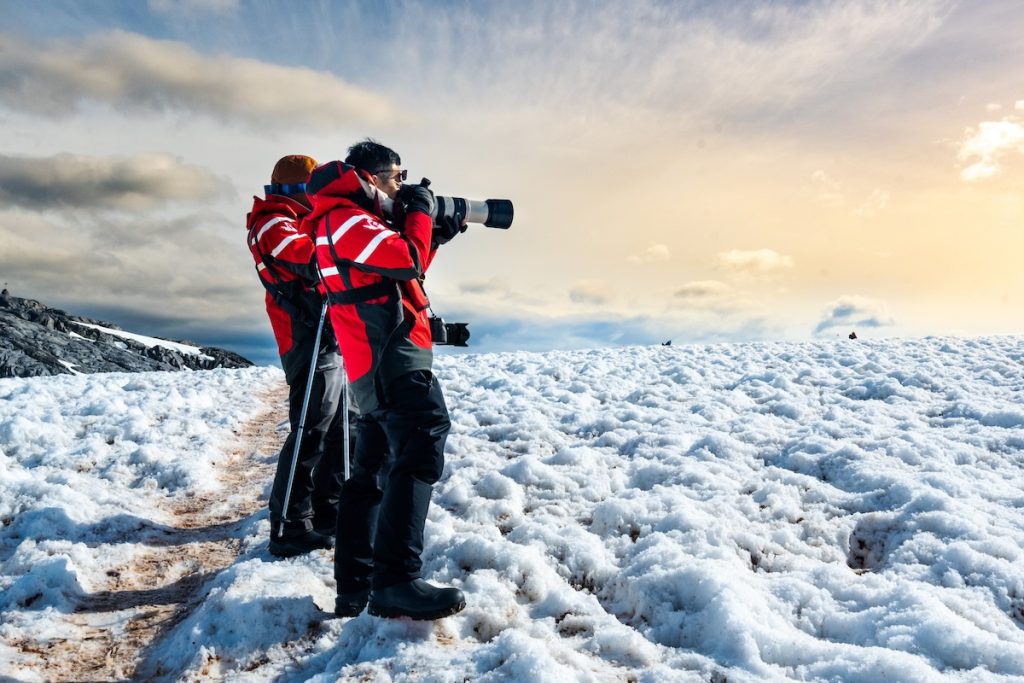
Workshop content, fees, and suitability vary depending on the cruise itinerary, and spaces are limited, so advance registration is required. Want to know which cruises include photography activities? Welcome!Contact UsWe can recommend suitable shipping companies and itineraries based on your filming needs.
IAATO Guidelines: Responsible Antarctic Photography
While enjoying the beautiful scenery of Antarctica, let's not forget that protecting this land is the shared responsibility of every traveler.
When you come ashore, curious penguins may sometimes approach you. However, you must strictly adhere to the regulations of IAATO (International Association of Antarctic Travel Operators):
- Keep your distanceMaintain a distance of at least 5 meters from wild animals such as penguins and seals, including camera lenses and other equipment. Do not block the penguins' routes to and from the beach; let the animals pass first.
- Stay stillIf an animal approaches you, stop and remain still; do not move suddenly and startle it.
- Never touchDo not touch or feed any wild animals.
- Avian influenza prevention and control measuresIn response to avian influenza, IAATO has recently stipulated that passengers are not allowed to sit, kneel, squat, or lie down within wildlife habitats, nor are they allowed to place camera bags, tripods, or other equipment on the ground or snow. Specific regulations are subject to the cruise line's announcement for the departure season.
- Drones are not allowed.IAATO prohibits passengers from operating drones for recreational purposes in the Antarctic coastal areas. Even if you bring one on board, you cannot use it; it is recommended to reserve luggage space for lenses and batteries.
- Cleaning photography equipmentBefore departure, please clean your camera bag and backpack, especially the Velcro and pocket areas to remove seeds and sand. Before the first landing, the ship will conduct a biosafety check and vacuum your coat, backpack, and camera bag. Afterward, passengers should wash their water boots before and after each landing to prevent bringing alien species into Antarctica.

Antarctic photography equipment list
| category | Essential | Recommended to bring | Optional |
| Cameras and lenses | Camera or mobile phone, telephoto lens of 300mm or more | The second camera body, with a 16-35mm or 24-70mm wide-angle lens. | Action camera |
| electricity | 2 to 3 backup batteries | Multi-port charger, adapter plug, laptop | N/A |
| Protection | Waterproof backpack, lens cleaning cloth, mobile phone lanyard | Camera rain cover, resealable bag | Waterproof phone case |
| store | Sufficient memory cards | External hard drive | Second backup hard drive |
| Accessories | Photography gloves | polarizing filter | N/A |
Conclusion
Having the right equipment is the best guarantee for capturing those fleeting, precious moments in Antarctica. But don't forget, the best camera is always your own eyes. After taking enough photos, put down your camera, gaze at the beautiful scenery before you, and truly appreciate the present moment.
If you'd like to learn about Antarctic photography cruises or recent cruise ticket deals, please feel free to contact us.Request a free quoteYou can contact us via WhatsApp or we will get back to you within one business day.
Common Antarctic Photography Issues
Is a mobile phone enough for Antarctic photography?
If your primary goal is to document scenery and your journey, a mobile phone is sufficient. The limitation of a mobile phone lies in shooting wildlife from a distance: due to the need to maintain a minimum distance of 5 meters, and considering shooting from a rubber boat, a telephoto lens would be significantly better for close-ups of penguins, seals, and whales.
Will the camera freeze and break in Antarctica?
Summer temperatures on the Antarctic Peninsula mostly hover around 0°C, so most cameras should function normally. However, you should be aware of faster battery drain and condensation when returning indoors from outdoors. As long as you take the precautions mentioned above, there's not much to worry about.
Is it okay to take a drone to Antarctica?
IAATO does not allow passengers to operate drones for recreational purposes in Antarctic coastal areas and does not recommend bringing them.
Do I need to bring a tripod?
Generally, it's not necessary. Tripods cannot be used on inflatable boats, and at the landing point, avian flu prevention measures also restrict placing equipment on the ground. If you want to shoot time-lapse or landscapes from the boat, you can bring a lightweight travel tripod.
byWhich flight route should I choose if my goal is photography?
The Antarctic Peninsula cruise route already offers opportunities to photograph penguins, seals, whales, and spectacular glaciers, suitable for most travelers. For those wishing to photograph king penguins and even more wildlife, consider a cruise that includes South Georgia Island. Feel free to contact us to recommend a suitable itinerary based on your photographic goals.
Last updated: November 2026
Let's Go to Antarctica. Specializing in Antarctic and Arctic expedition cruises. Virtuoso Member Travel Agency.