



Single-Island Series (Part 1): Crossing the Antarctic Circle
If I just plan for the Antarctic Peninsula, is there other ways to enjoy it besides the classic 10-day itinerary?
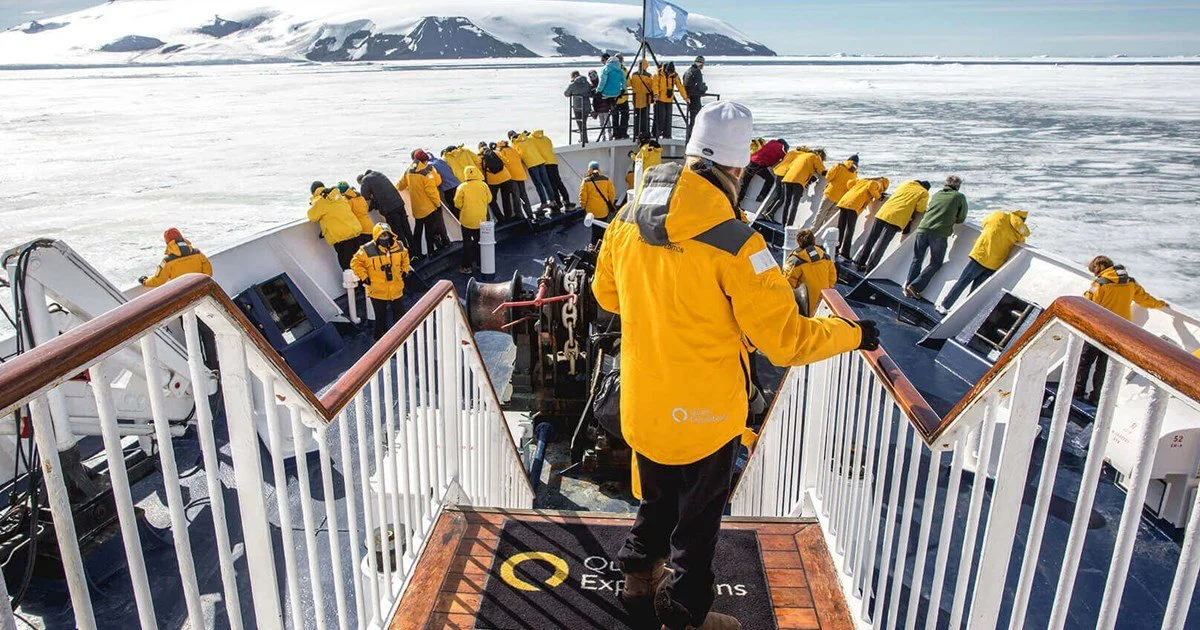
credit: veloso.com
In the past, the Antarctic Circle was an imaginary line of honor, and the area south of the Antarctic Circle was considered "Emperor Penguin Territory." In the 19th century, sailors were proud to cross the Antarctic Circle and become the celebrated fraternity members of “The Order of the Red Nose".
Fast forward to 2023. If you can join a cruise that crosses the Antarctic Circle and become one of the lucky 10% of travelers who successfully cross the line each year, you'll be one step closer in matching the legendary explorers of Captain Cook and Sir Shackleton. With an extra 2-10 days and a higher budget, you'll not only have more landing opportunities, but you'll also have the chance to cross the Antarctic Circle and achieve the same milestone as Prince Philip, Duke of Edinburgh.
Now, we will introduce the itinerary that crosses the Arctic Circle and its features.
1. What is the Antarctic Circle?
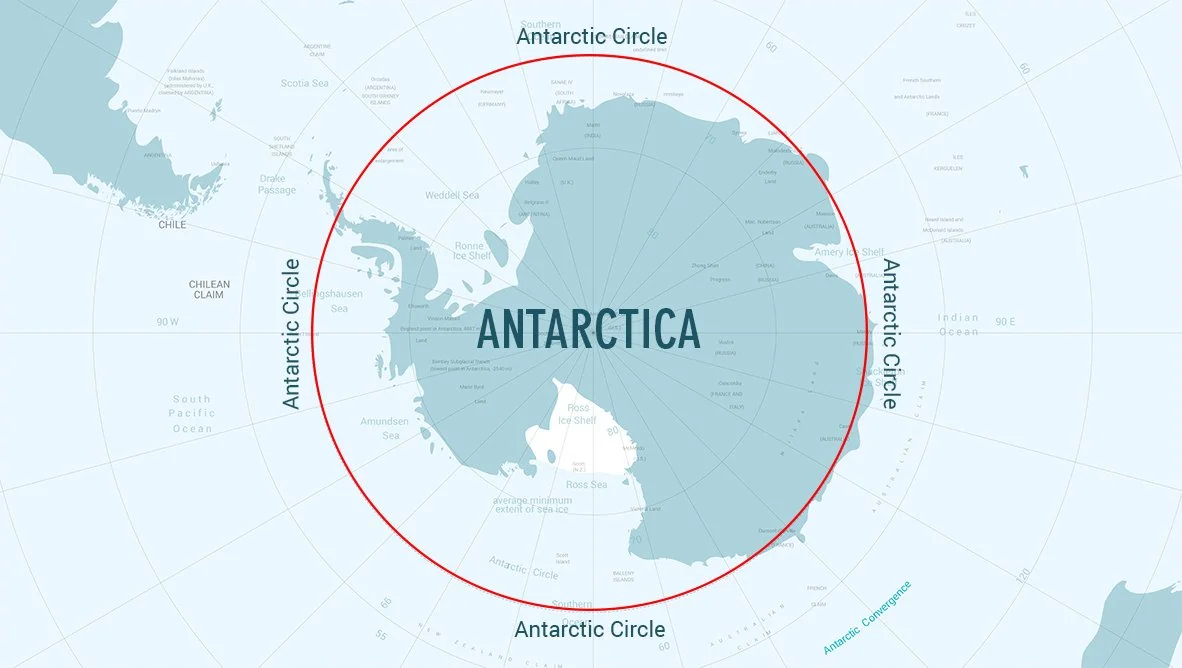
credit: oceanwide-expeditions.com
The Antarctic Circle is one of five imaginary lines on Earth (the other four being the Arctic Circle, the Tropic of Cancer, the Equator, and the Tropic of Capricorn). Its latitude is 66°34′ South. Because traveling south of this imaginary line takes longer, only about 10% of trips per year cross it, primarily single-island itineraries, followed by triple-islands trips. The Antarctic Circle also marks the boundary between the southern temperate and southern frigid zones, and around December 22nd each year, it experiences a period of perpetual daylight.
Just as the South Pole moves annually, the Antarctic Circle is also slowly moving southward at a rate of 15 meters per year. Currently, the land area south of the Antarctic Circle accounts for approximately 4% of the Earth's total land area.
2. Introduction to the Arctic Circle Itinerary
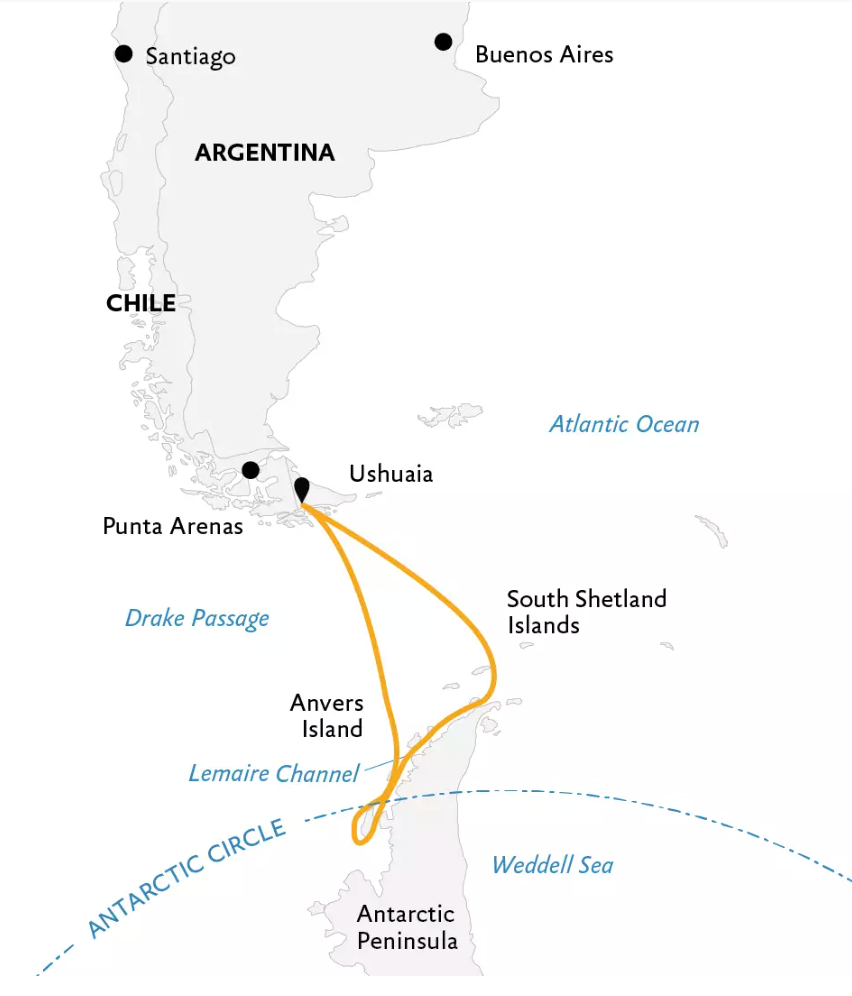
credit: quarkexpeditions.com
Mentioned in previous articles, a classic 10-day single-island itinerary, after deducting days for boarding, disembarking, and round-trip travel across the Drake Passage, leaves only 4 actual days for sightseeing. Currently, most Antarctic Circle crossing itineraries plan to spend 2 days within the Antarctic Circle before spending another 2 days traveling north. Therefore, a crossing of the Antarctic Circle takes at least 13 days. For price, this season's expeditions start at $8,810 for a triple cabin, while a round-trip flight cruise costs close to $15,000.
Nonetheless, this season one cruise line has launched an in-depth 21-day single-island Arctic Circle itinerary.

credit: silversea.com
This itinerary not only crosses the Arctic Circle but also spends another seven days further south, exploring an area previously visited by fewer than 1% of tourists. Starting at US$19,950, this itinerary covers approximately 15 days around Antarctica, making it a significant bargain compared to other standard single-island itineraries offered by the same company, which are more expensive but offer only 4 days.
3. Features of the Arctic Circle Itinerary
Beyond the practical benefit of spending more time on the Antarctic Peninsula, a trip across the Antarctic Circle offers a feeling of accomplishment and a sense of romance. Here are three key features.
1. Celebration Ceremony

Summer research station in Cierva Cove. Credit: Silversea
Before the last century, crossing the Antarctic Circle was an extremely dangerous and difficult voyage for sailors and adventurers. Therefore, although there is no traditional celebration ceremony for crossing the Antarctic Circle, after crossing, people still celebrate the crossing so as to represent themselves among famous adventurers in history (such asSir Shackleton), so each cruise line offers a different celebration for their passengers crossing the Antarctic Circle. Besides speeches by fellow shipmates' and historians onboard, passengers are also invited to toast or be baptized with seawater by Neptune, the Roman god of the sea. More festive occasions include male passengers wearing bras and female passengers dressing as sea monsters and kissing a wet fish.

credit: inverness-courier.co.uk
2. Follow in Captain Cook's footsteps

credit: collections.sea.museum
Captain James Cook, born in Britain, was the first explorer in history to cross the Antarctic Circle.
In 1763, Britain, victorious in the Seven Years' War, first proclaimed itself the "Empire on which the Sun Never Sets." However, for the empire at the time, the Pacific remained an unknown region. Determined to find "a continent or a vast, unexplored land mass to the south," Captain Cook made three voyages to the Pacific. On his second expedition, on January 17, 1773, he unknowingly crossed the Antarctic Circle for the first time. The following January, Cook entered the Antarctic Circle for the third time, setting a new record for the most southern point reached by an 18th-century navigator: reaching 71 degrees 10 minutes south latitude. At the same time, he also proposed that "there are no continents south of the Pacific." It wasn't until 50 years later, in 1820, that Antarctica was finally discovered.
Just as setting foot on South Georgia Island allows us to recall Sir Shackleton’s arduous adventures, crossing the Polar Circle also brings us closer to Captain Cook.
3. All we have to do to become a member of the British Royal Family is a Single-island trip across the Arctic Circle.

credit: rct.uk/the-antarctic-circle
"Do you know what this is? Can you believe this weird little thing is selling for $28.75 on an e-commerce platform?"
The "Crossing the Antarctic Circle" certificates available online today are very different in style from the one endorsed by the British royal family. This authentic certificate, however, has a story behind it.

credit: rct.uk/the-antarctic-circle
Queen Elizabeth II, who passed away in September 2022, married His Royal Highness Prince Philip, Duke of Edinburgh, who traveled the world aboard the royal yacht between 1956 and 1957. During those two years, he visited Melbourne, Australia, and traveled south to Antarctica, becoming the first member of the British royal family to cross the Antarctic Circle.
Crossing the Antarctic Circle qualifies one for induction into "The Order of the Red Nose". This honor was previously reserved for sailors who crossed the Antarctic Circle for the first time, each receiving a commemorative certificate. Back then, traveling to Antarctica wasn't as easy and convenient as it is today. To commemorate this event, the Duke of Edinburgh and his companions designed a custom certificate, pictured above, aboard Her Majesty's Yacht Britannia.
In summary, although the number of animals begin to decrease and the landscape become more primitive and desolate as you get closer to the Antarctic Circle, you can also see thicker ice and fewer cruise ships at the same time. For readers who want to pursue the beauty of the Antarctic extremes, this will be an opportunity to get closer to the original appearance of Antarctica.
If you're looking for a spectacular view of numerous animals, be sure to include the Falkland Islands and South Georgia in your itinerary. For more information about these two locations, please refer to the following two articles:
Want to discuss which Arctic Circle itinerary is best for you? Contact us through our Facebook, Instagram, or Email.
Set foot on Antarctica. It's no longer out of reach.
Let's go to Antarctica!
Comments (0)