



3 major routes for Antarctic travel (Part 3): Single-Island
credit: huffmantravel.com
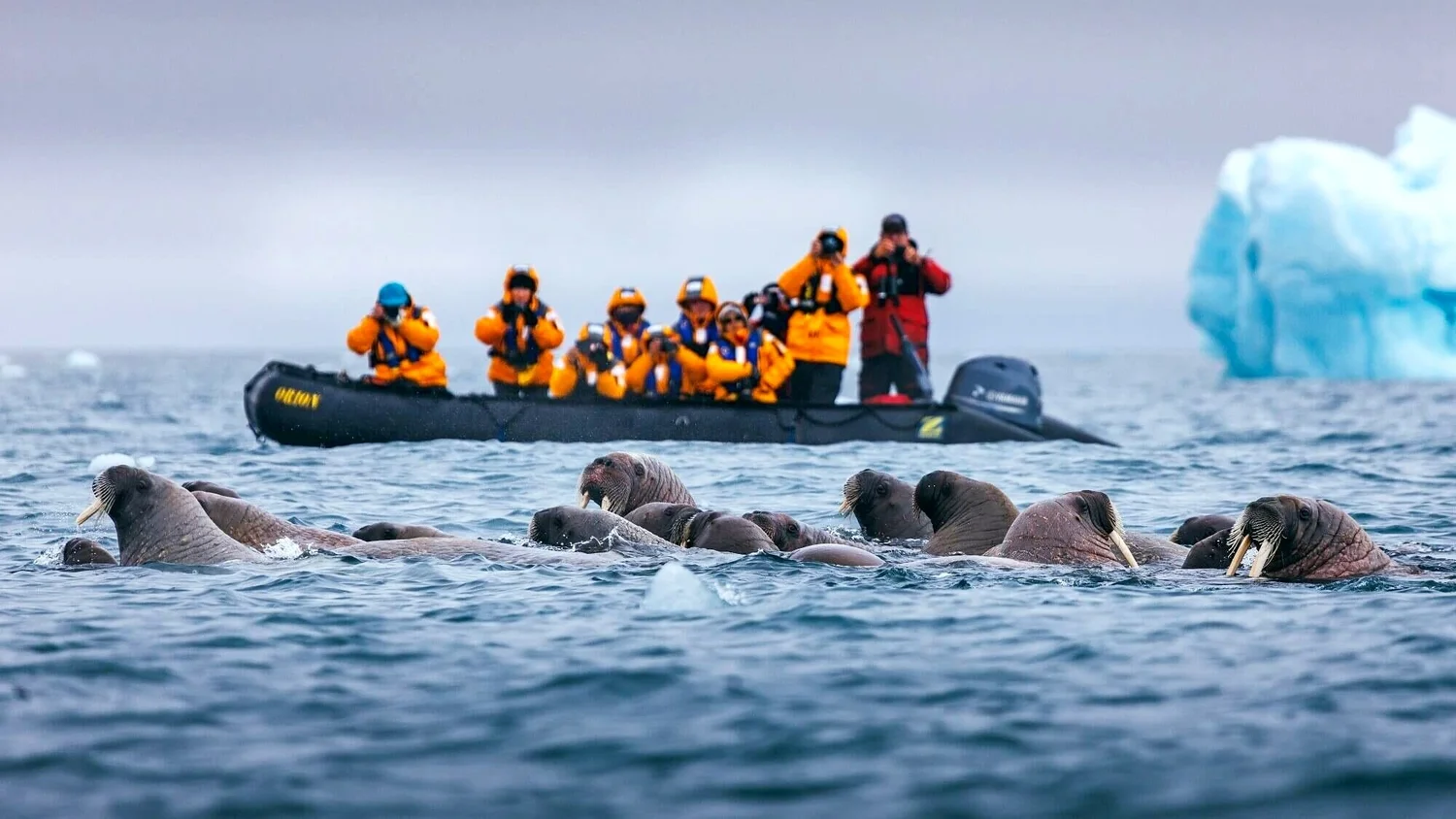
The single-island itinerary, which takes only 10 days round-trip by boat from Argentina and starts at US$10,000, has always been the most popular route among the three major routes of Antarctic itinerary (single island, double island, and triple island) because it makes the most effective use of vacation time and is the most affordable.
Below we will break down our 10-day single island itinerary into four main sections: Embarkation Day, Sea Day, Landing Day, and Disembarkation Day, explaining each activity in detail.
1. 10-Day Itinerary Overview
credit: quarkexpeditions.com
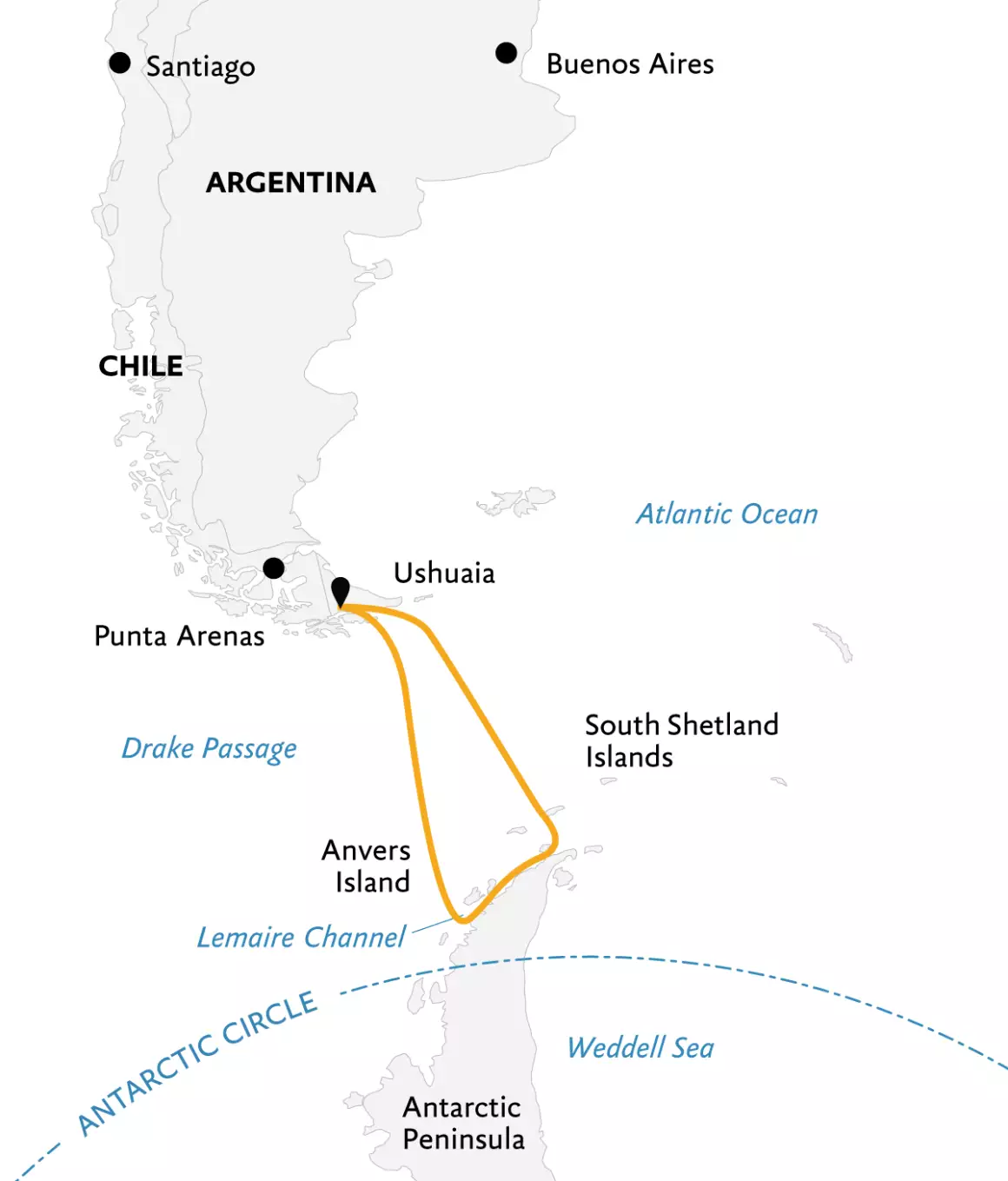
10-Day Single-Island Itinerary (Antarctic Peninsula)
Day 1 Embark on the ship from Ushuaia
Day 2 - 3 Crossing the Drake Passage
Day 4 - 7 Landing on Antarctica
Days 8-9 Crossing the Drake Passage
Day 10 Return to Ushuaia
Excluding embarkation and disembarkation days, the total planned time in Antarctica is four days. Assuming safe weather and sea conditions, the expedition leader will arrange landings and Zodiac cruises each morning and afternoon on the planned landing days.
Therefore, on a single island trip, you can expect 8 landing opportunities.
2. Embarkation Day (Day 1)
credit: quarkexpeditions.com
In addition to using the daytime toTierra del Fuego ParkAnd visitThe world's southernmost post office,visit"Happy TogetherFilming Locations - World's Southernmost Lighthouse, in the shops in townBuy postcards, or tasteDelicious king crab.
As per the Antarctica Trip, the two most important things are Luggage Storage and Embarkation.
Luggage Storage:
Your checked baggage will be delivered to your cabin door by the cruise's staff. All you need to do is place it at the designated location before the designated time.
If your cruise ticket includes accommodation for the night before embarkation, you can leave your luggage in the hotel lobby before checking out on the day of embarkation, marking your cabin number. Otherwise, you will need to pay close attention to the pre-departure document sent by the cruise line (usually sent one month before departure), which will detail the location and time for luggage storage.
Embarkation:
Ushuaia has only one embarkation terminal for Antarctica, and all passengers must board the cruise using a shuttle bus arranged by the cruise line. On the afternoon of the embarkation day, passengers must meet at the parking lot in front of the "Ushuaia Fin del Mundo" landmark between 2:00 PM and 4:00 PM to wait for the shuttle bus arranged by each cruise line. If your ticket includes pre-departure accommodation, the cruise line will provide transportation from your pre-departure hotel to the parking lot in front of the landmark.
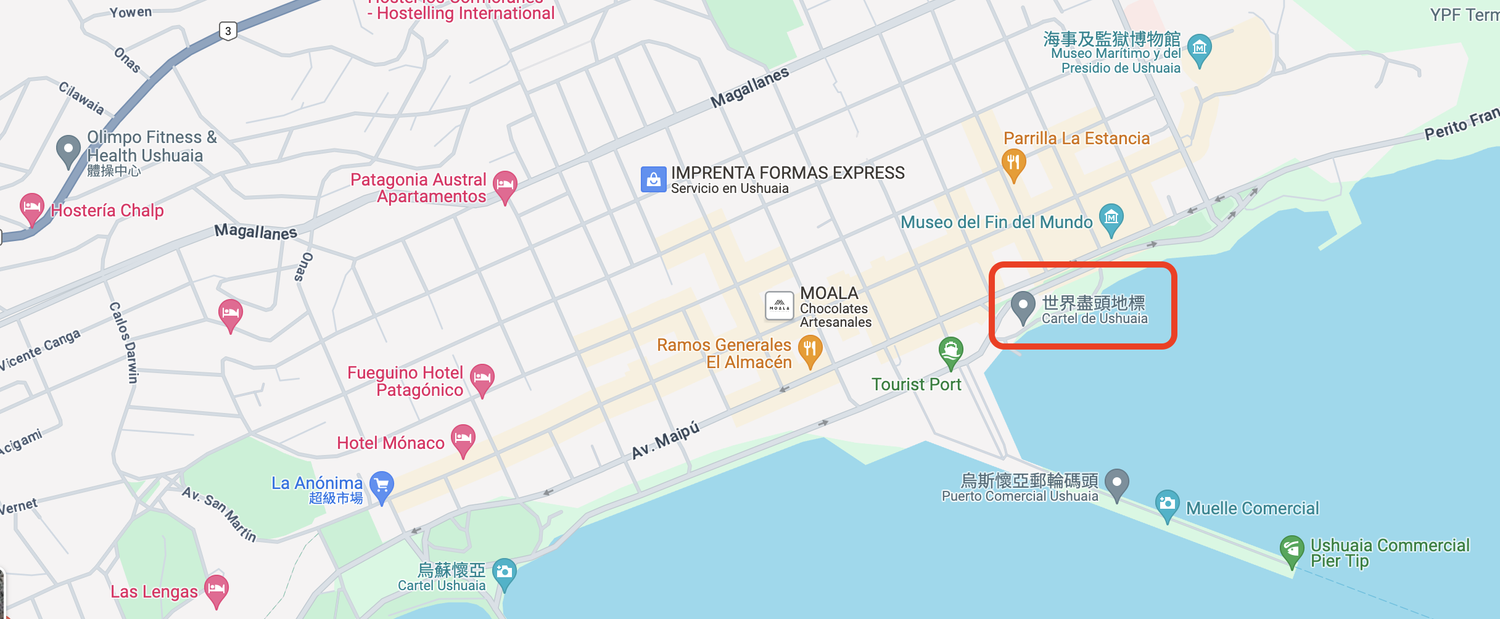
The relative position of the "Ushuaia Fin del Mundo" landmark to the pier

"Ushuaia Fin del Mundo" landmark credit: lalaviajera.com/ushuaia-fin-del-mundo-tierra-fuego/
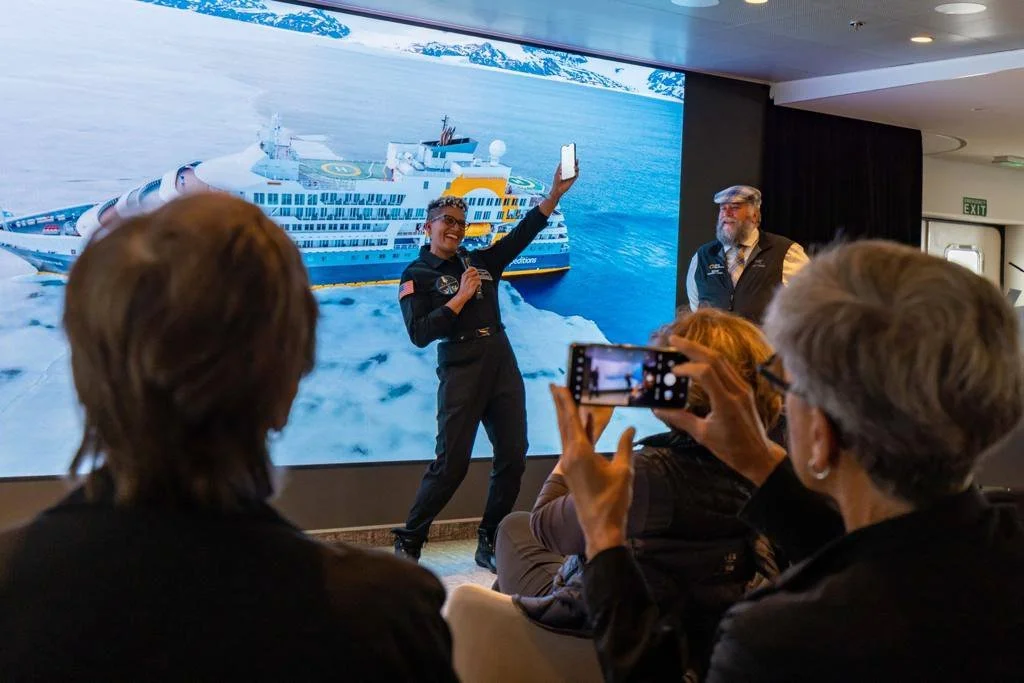
After boarding the ship, the cruise will arrange a welcome ceremony and offer welcome drinks. After completing boarding procedures at the front desk (collecting room keys and linking credit cards for onboard purchases), passengers will gather in the ship's lobby to meet the crew and the captain. Furthermore, the expedition team will invite all passengers to the landing preparation area to try on polar coats (if provided) and snowshoes for landing.
Most departure times are at 18:00, at which time you can go to the stern and say goodbye to Ushuaia.
3. Sea Day (Day 2 - Day 3)
credit: quarkexpeditions.com
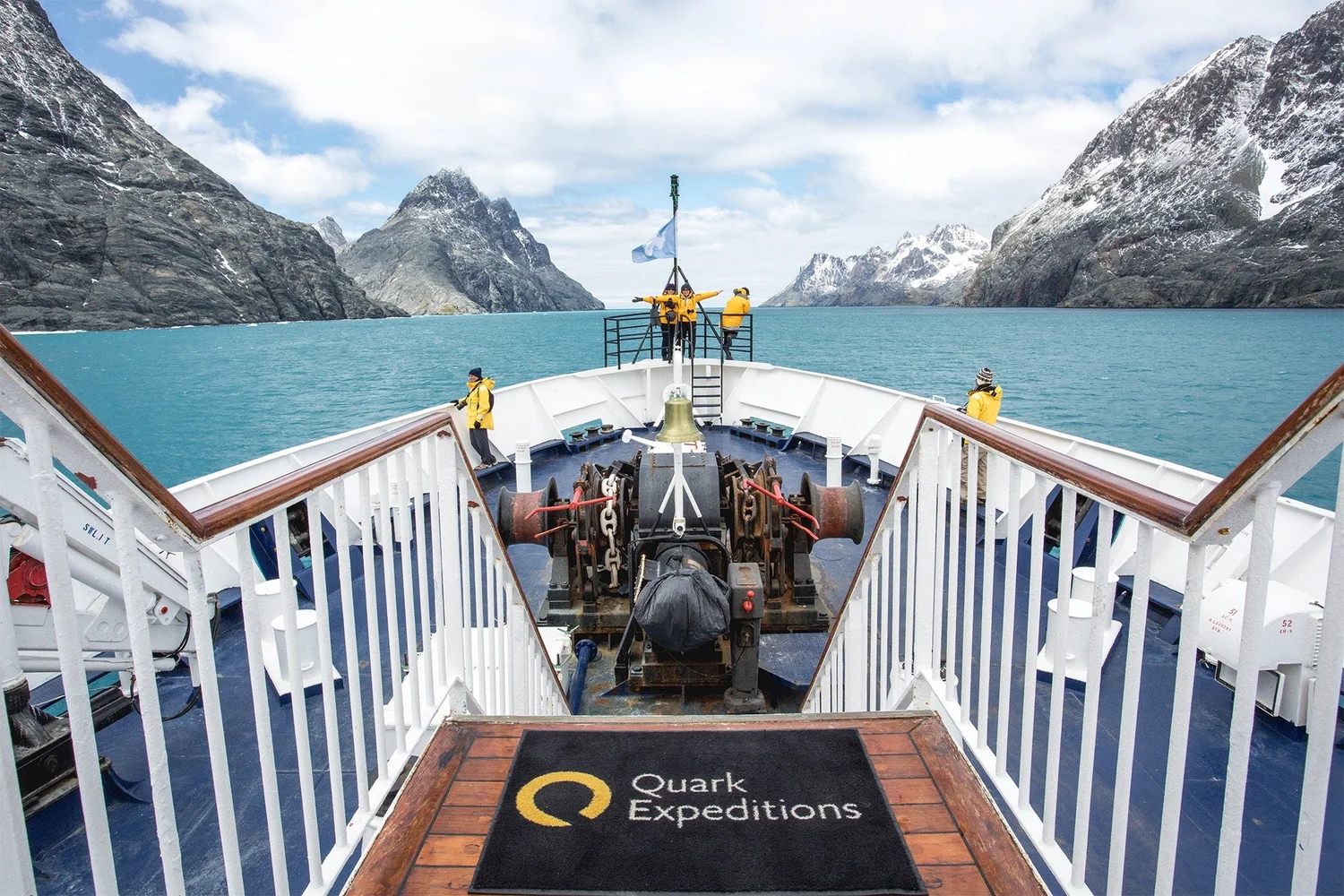
After leaving Ushuaia on the Embarkation Day, it will be at least 24 hours until you see land again. During this time, the cruise line will make use of the spaces on board to host various lectures and activities, including but not limited to:
Prize quiz: Guess when you can see the first iceberg in Antarctica
Invite experts and scholars from various fields to give lectures on the animal ecology, history, and geography of Antarctica
Events related to festivals (e.g. Christmas, New Year's Eve)
Cocktail party attended by the captain
Group activities (e.g., group quiz and guessing games)
Check whether waterproof pants meet the requirements
Briefing for additional activities
Visit the Bridge
In addition, the Sea Day is also a time to enjoy the delicious food on board.
credit: quarkexpeditions & atlasoceanvoyages & Silversea
Breakfast and lunch are usually buffet-style, while dinner is à la carte, with complimentary drinks. Meals tend to be Western, primarily because over half of Antarctic tourists are from Europe and the United States. Ships typically have a paid bar area, with unlimited coffee and tea available 24/7. Light refreshments are also available in the afternoon and during parties.
4. Landing Day in Antarctica (Day 4 - Day 7)
Crescent Island credit: cruisemapper.com
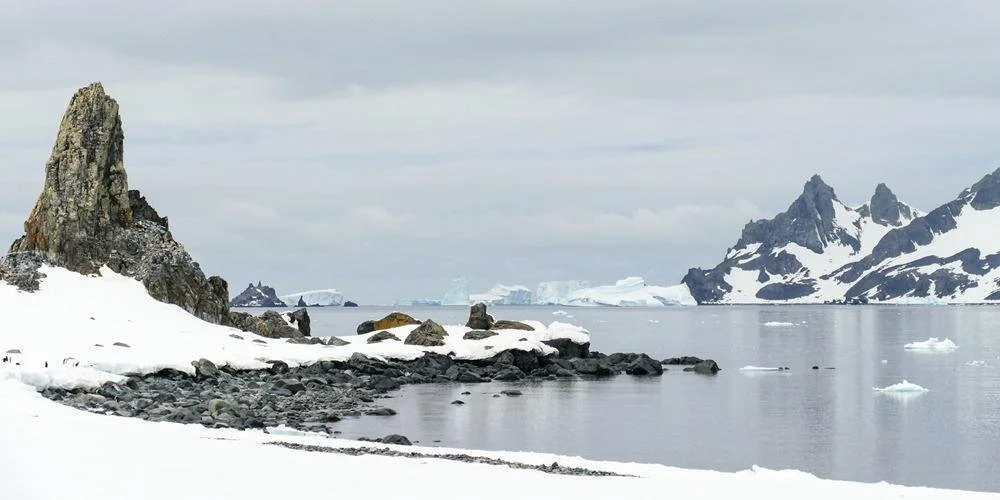
After deducting the Embarkation day, Disembarkation day, and the time spent crossing the Drake Passage, the remaining four days will be the highlight of the single-island itinerary - the Landing Day.
Landing Day Schedule
7am Wake Up
8am Breakfast
10am - 1pm First Landing
1pm - 2pm Lunch
2pm - 5pm Second Landing
6pm Daily Summary & Next Day's Itinerary Sharing
7:30pm Dinner
credit: en.mercopress.com
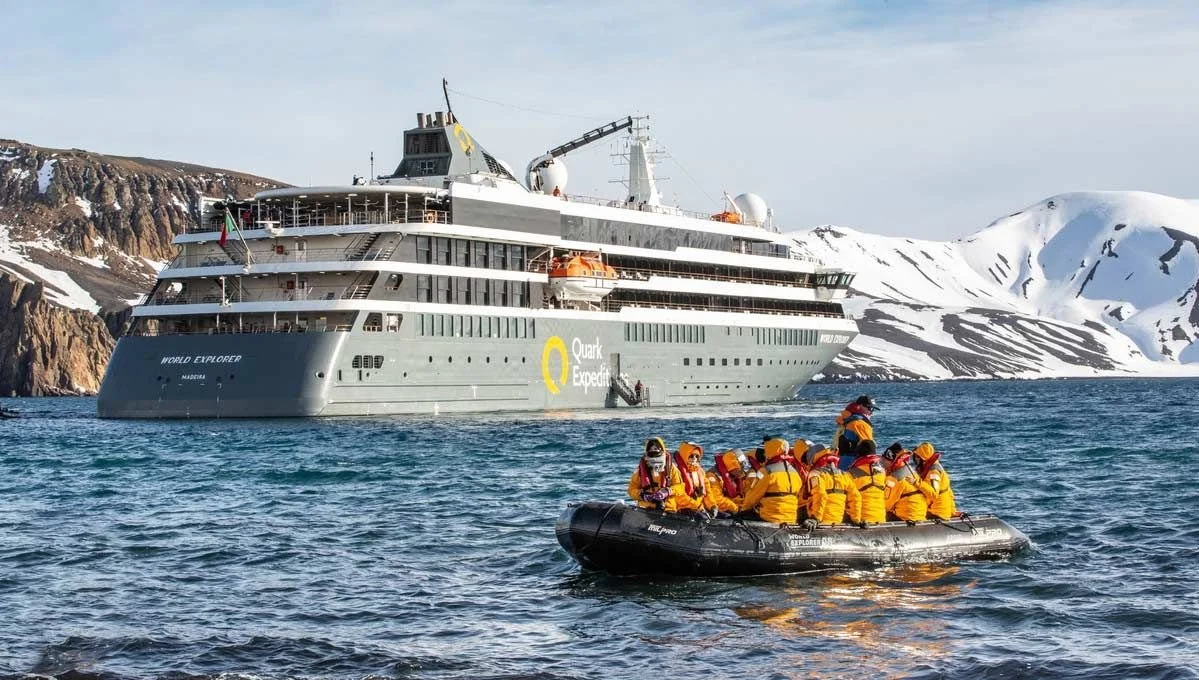
There are over 200 landing sites in Antarctica. The captain and expedition leader will make the most appropriate arrangements based on current sea and weather conditions, with personal safety in mind. During landing, passengers will be divided into evenly sized groups of 100 people each, undergoing both landing and sea cruises. Each landing lasts approximately 1 to 1.5 hours. Cruise ships with a passenger capacity of 200 or fewer can expect approximately 1 to 1.5 hours of landing time; ships with a passenger capacity of around 100 can expect 2 to 3 hours.
Here are some common penguins, whales, and seals you might see on a single island trip:
1. Adélie Penguin
Adelie penguins credit: bbc.co.uk
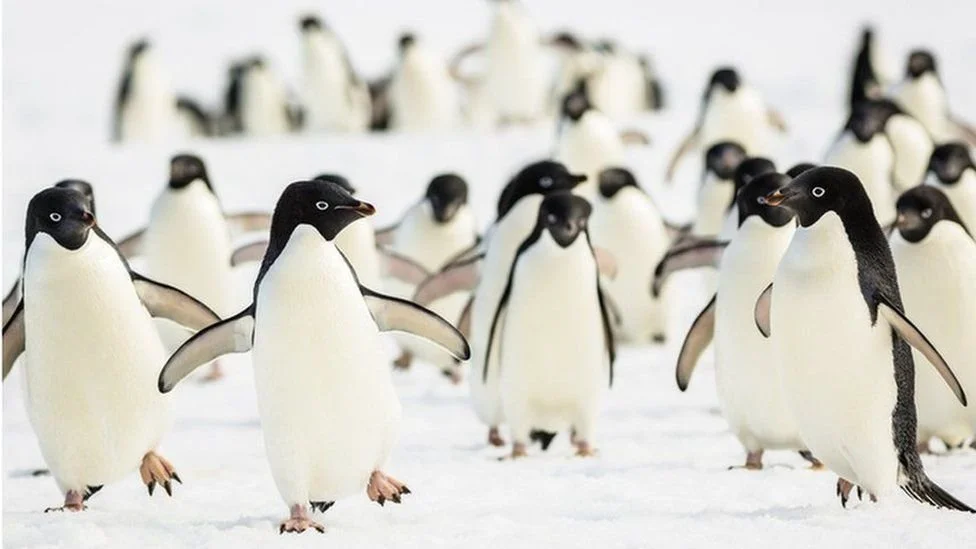
Remember the penguins with Cuban accents in the movie "Happy Feet"? They were inspired by the Adélie penguin. As the world's most widespread penguin species, the Adélie penguin is also one of the three most common penguin species on the Antarctic Peninsula. It's primarily found along the Antarctic coast and on nearby islands, and can be spotted on a typical Antarctic island route. It's one of the few species with prominent tail feathers, and its most distinctive feature is the white ring around its eye.
2. Chinstrap
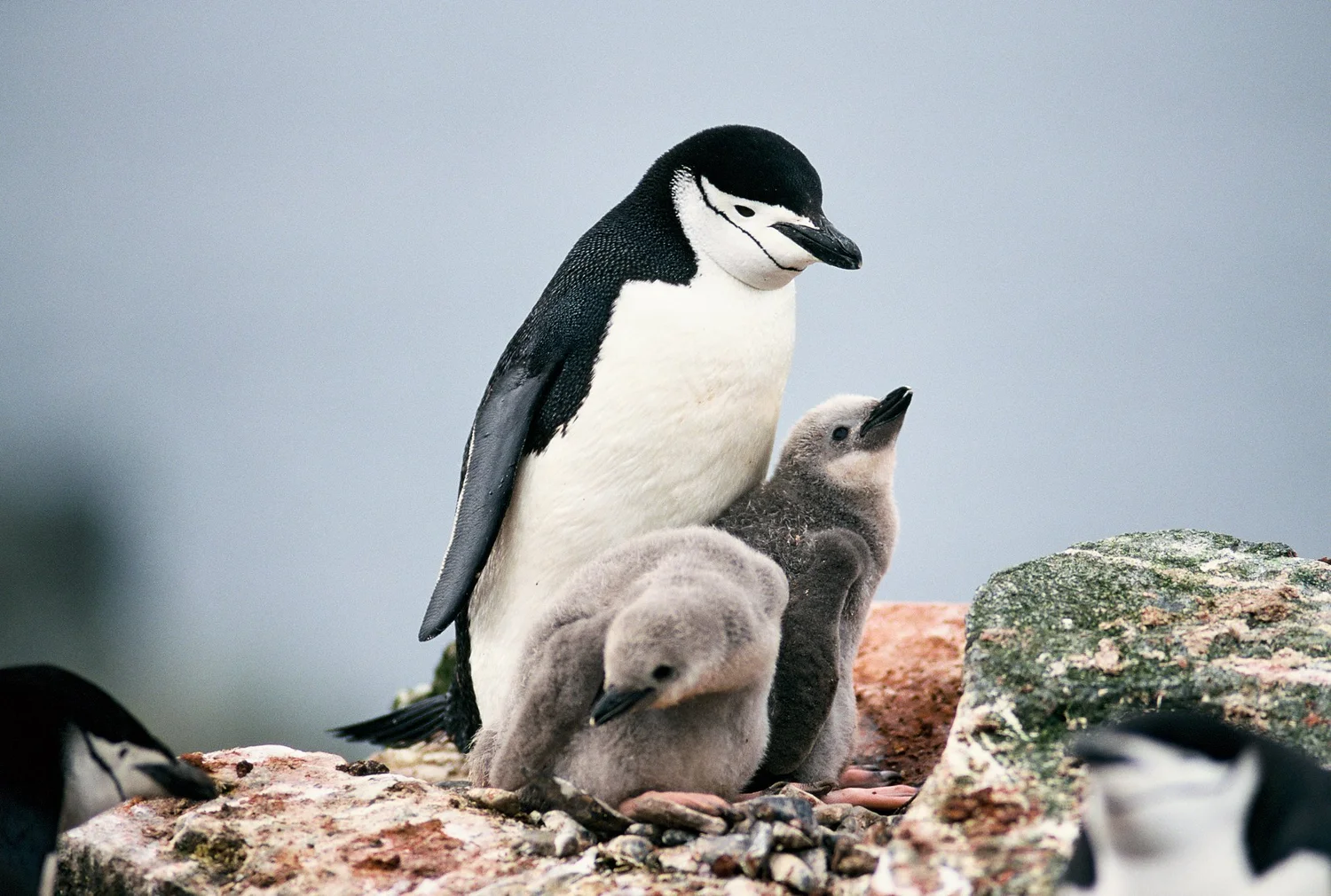
Chinstrap Penguin credit: grida.no
During the single-island trip, the Chinstrap penguin was the most frequently mentioned of the three species of penguins by the expedition members, and one of them was definitely the Chinstrap. It is the same species as the Adélie penguin and shares many similarities, such as its tail feathers and its black and white body. It can also be found on South Georgia Island. How can you confirm it's a Chinstrap penguin? Look for a black stripe below its neck and a solid black beak.
3. Gentoo Penguin
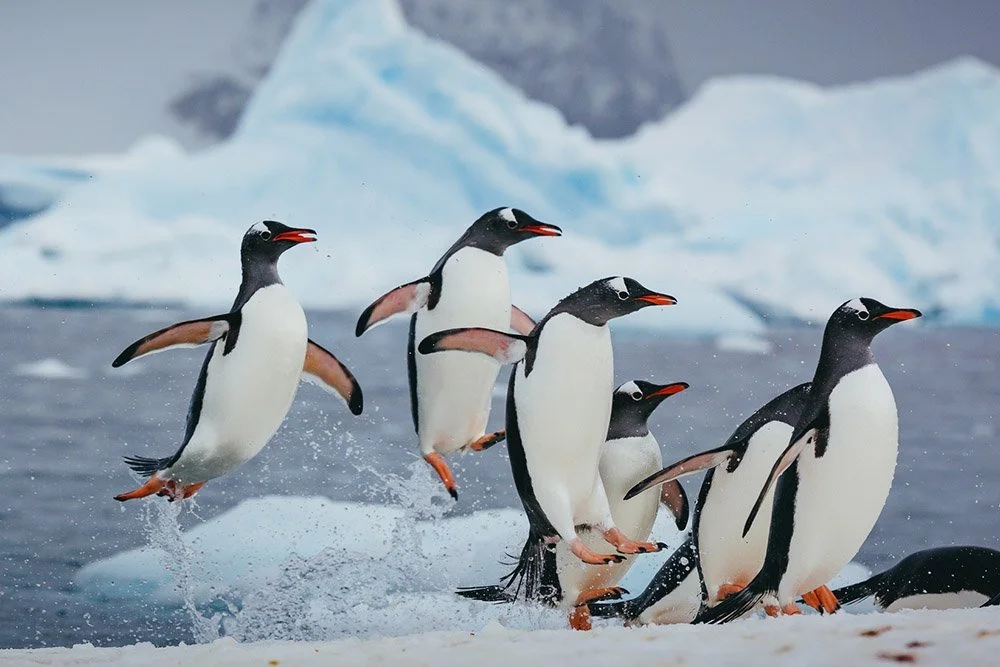
Gentoo penguin credit: news.stonybrook.edu/
The Gentoo, second only to the Emperor and King penguins in height, is the third most common penguin species in Antarctica. How can you distinguish it from its cousins, the Adélie and Chinstrap? Look for its bright red bill and the white eyebrow-like patch above its eyes.
4. Humpback Whale
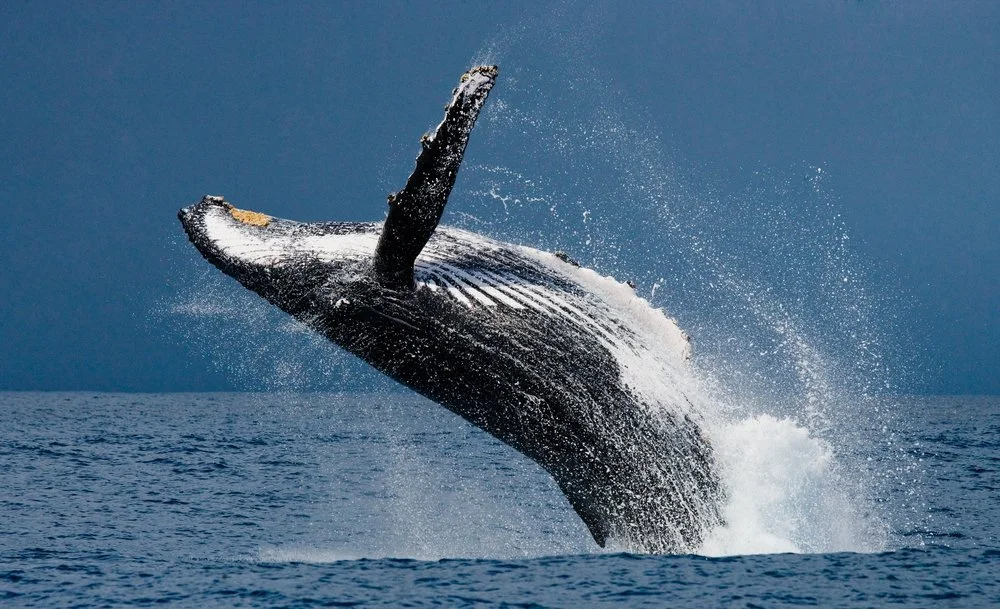
credit: chimuadventures.com
Humpback whales, capable of consuming over 3,000 pounds of food daily, are a frequent sight on Antarctic itineraries. While humpback whales are known to suddenly breach the surface, during Antarctic Zodiac cruises, the only visible sight is their recognizable tail, which are unrecognized until the expedition team spots them and directs passengers to follow their gaze.
5. Crabeater seal
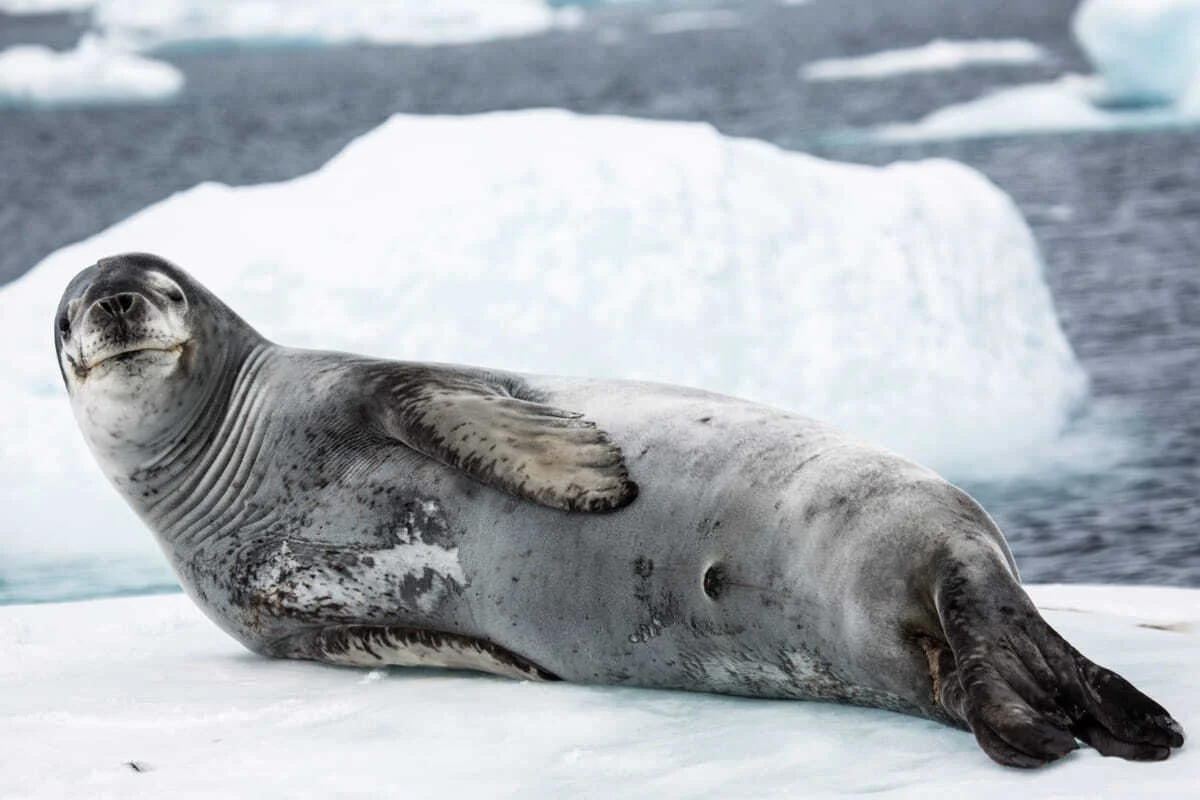
credit: www.greenpeace.org
Crabeater seals, which don't eat crabs, typically forage at night, with krill being their primary food. And even their specially shaped teeth are designed to prevent krill from escaping easily. Besides krill, they also enjoy eating fish. They are commonly found in the waters surrounding Antarctica.
The following are some common free or paid outdoor activities on various Antarctic itineraries:
1. Sea Kayaking (paid)
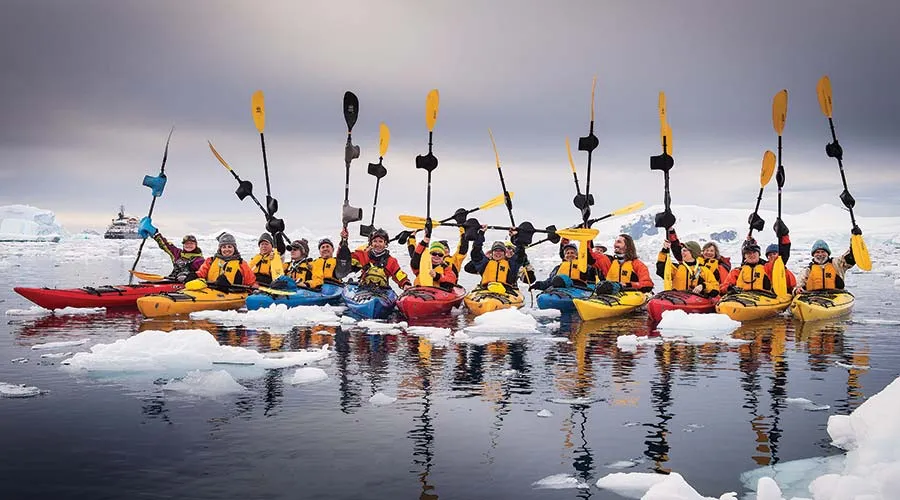
credit: polar-latitudes.com/kayaking-programs/
Besides landings and zodiac cruises, kayaking offers the most autonomy in your Antarctic adventure. Kayaking across the Southern Ocean not only brings you right next to zero-degree waters, but also allows you to get up close to animals—from sea lions nestling on the ice to whales suddenly leaping from the surface.
2. SUP (paid)
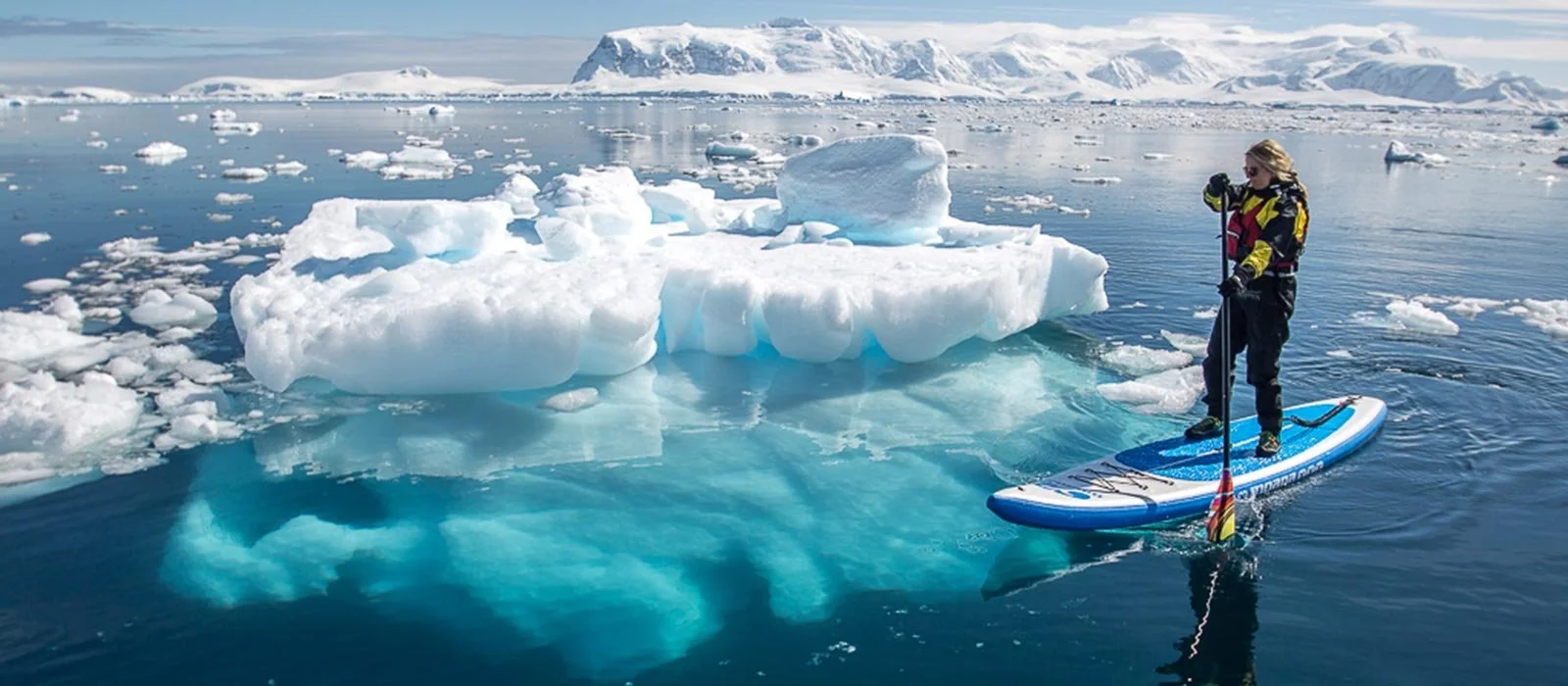
credit: kokatat.com
Want to freeze time in the present moment while floating in the Southern Ocean? Originating in Hawaii, SUP stands for Stand Up Paddling. With just an SUP board, you can safely paddle in various positions, standing, sitting, lying down, or even lying up. Experience the currents of the Southern Ocean up close, and witness the delightful sight of whales leaping from the surface.
3. Polar Plunge (free)
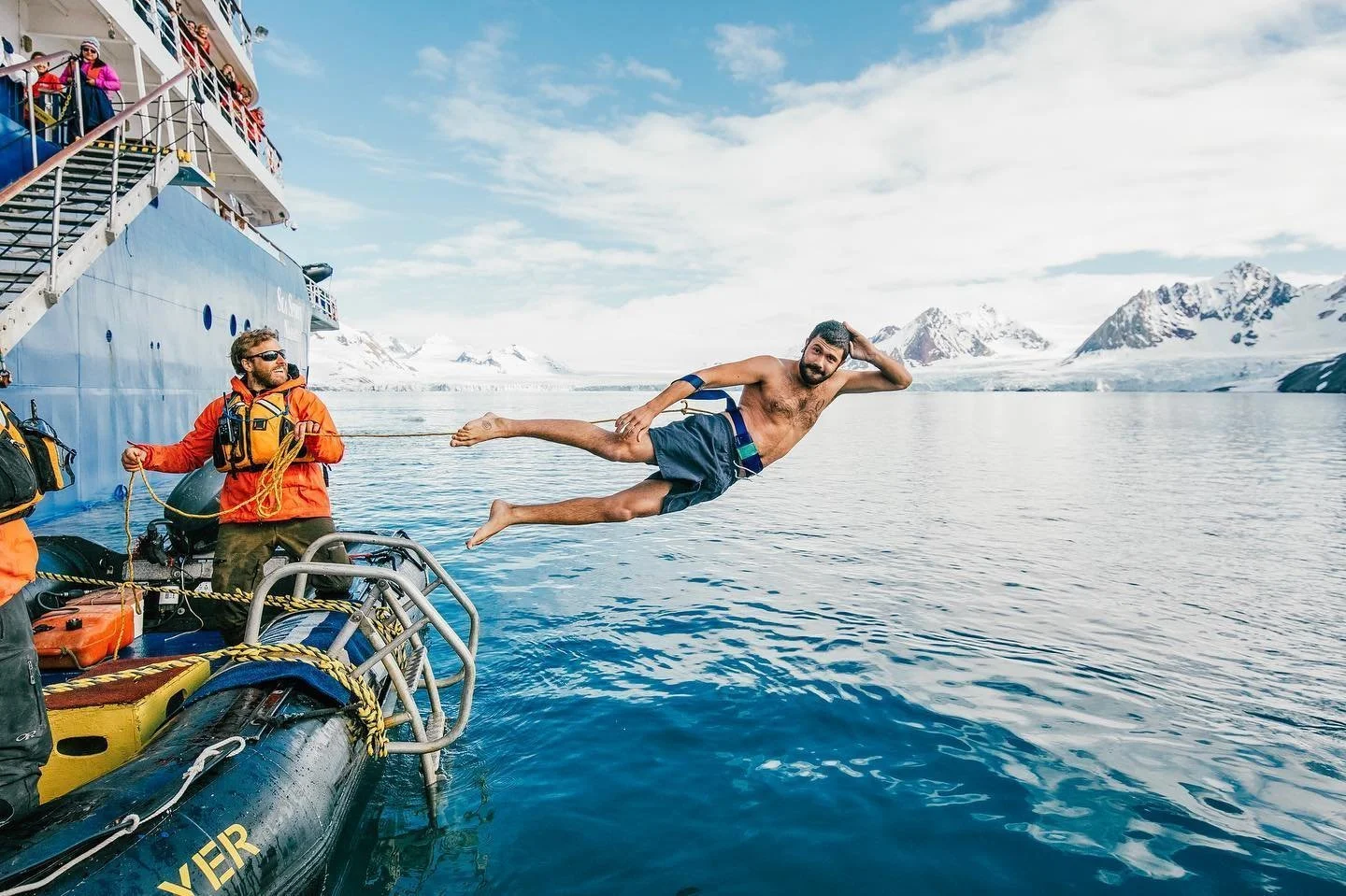
credit: quarkexpeditions.com
The most enjoyable Antarctic national sport - the polar plunge.
Whether landing, boarding a Zodiac, or admiring the Antarctic scenery from the deck, you always have to wrap yourself up tightly. However, when lining up for the polar plunge, no matter how nervous you are and want to back out, the cheers of your peers have a magical power that sends your adrenaline soaring, driving everyone to plunge into the freezing Southern Ocean without hesitation, feeling the exhilarating sensation of thousands of needles piercing your body.
4. Camping (paid)

credit: Youtuber - Kara and Nate
Unlike kayaking, diving, and SUP, camping takes place after dinner. Expedition members are invited to bring their sleeping bags and set off on a zodiac, enjoying an unforgettable night in the tranquility of Antarctica.
Passengers camping will typically need to carve out their desired snow bed within a designated safe area, using local materials and placing their sleeping bag and cushions. Some guests wonder, "Will camping in Antarctica be cold?" Don't worry, sleeping bags are surprisingly warm, and you can even put your jacket outside of the sleeping bags or as a makeshift pillow.
5. Sea Day (Day 8 - Day 9)
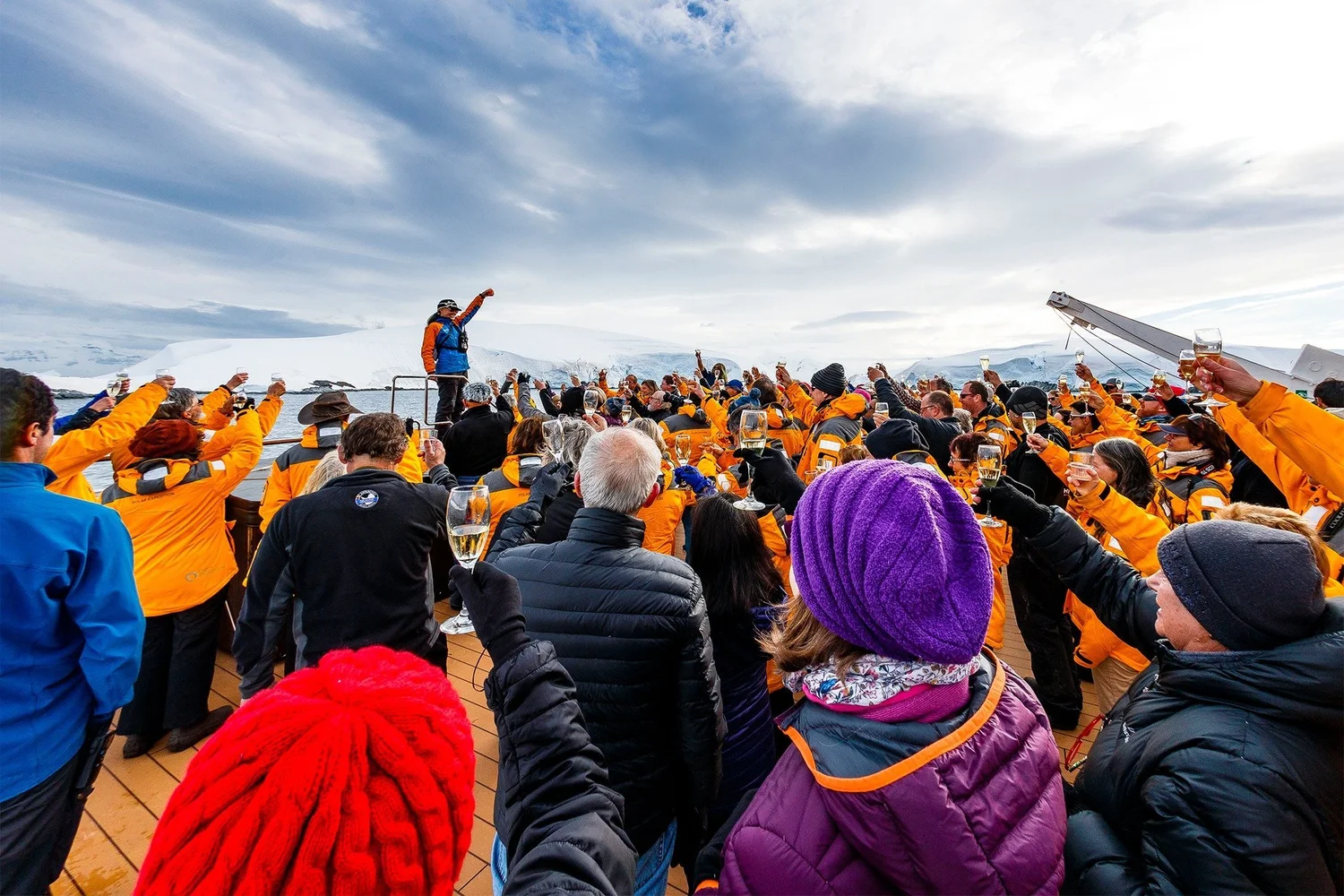
credit: quarkexpeditions.com
After returning to the cruise ship in the afternoon of the seventh day, the captain will turn around and everyone will set off on their journey home towards Ushuaia.
On Days 8 and 9, as we sailed through the Drake Passage again, we enjoyed a series of engaging lectures, a Captain's Cocktail Night, a bidding event, and a farewell party for all passengers. The voyage's photographer will share their photos during and after the voyage, but passengers can also share their own images. During these two days, everyone can use the computers in the communal area to share their Antarctic photos and contact information.
6. Disembarkation Day (Day 10)
On the day of disembarkation, before returning to Ushuaia at 8:00, passengers will enjoy their last Antarctic cruise breakfast on board before disembarking. The entire Antarctic journey will also come to a perfect end with a farewell high-five from the expedition team one by one when leaving the ship.

credit: annaeverywhere.com/antarctica-quark-expeditions/
This concludes our series of articles on three popular Antarctic locations. Are there more Antarctic topics you'd like to learn more about?Facebook, Instagram, orwrite a letterTell us.
Article Series:
Set foot on Antarctica. It's no longer out of reach.
Let's go to Antarctica!
Comments (0)